What Are the Different Types of Trailers?
Learn about the different types of trailers, from box and utility trailers to tandem and tippers. Understand which trailer is right for your needs.
Urban Trailers
11/18/20252 min read
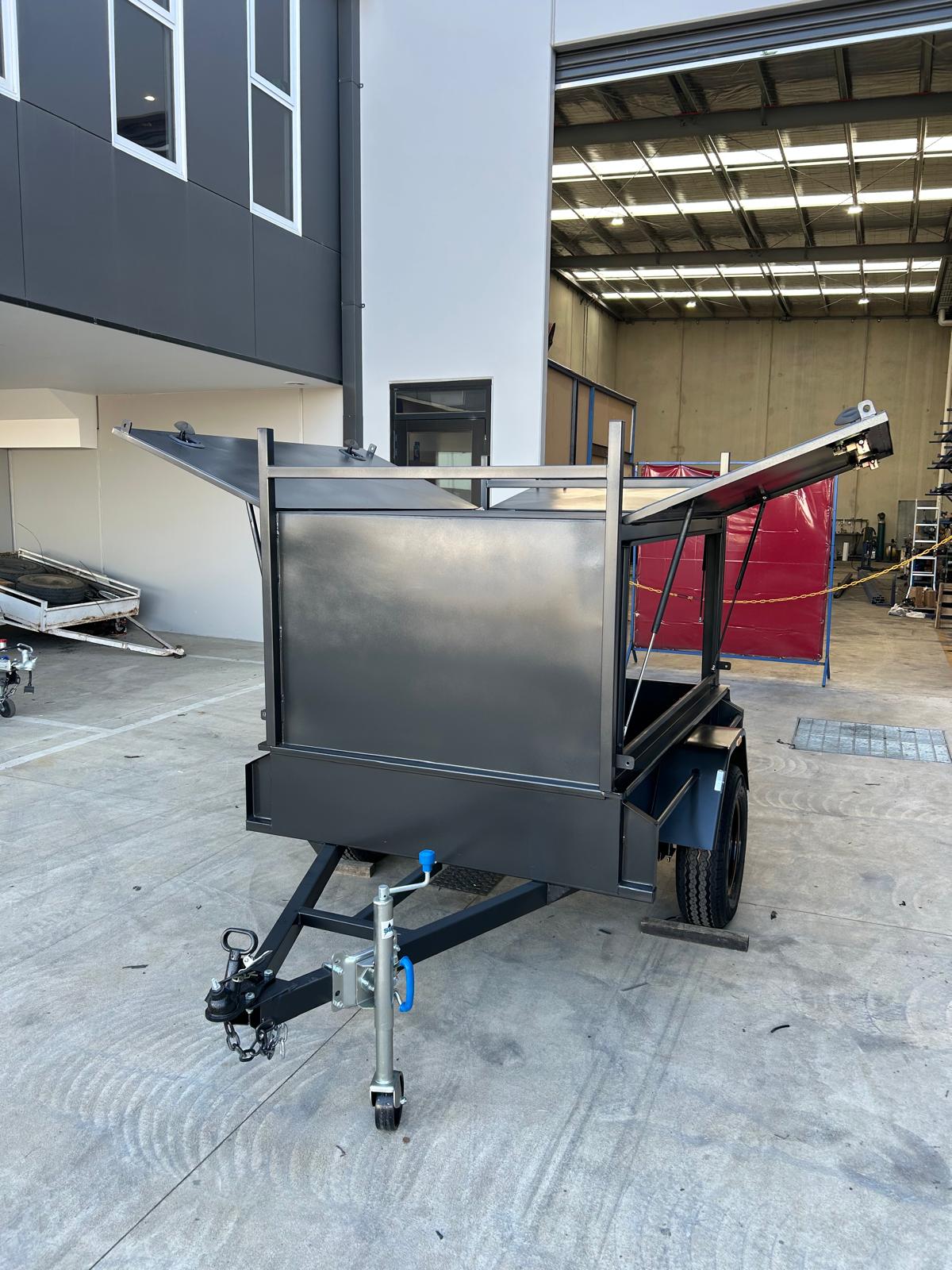
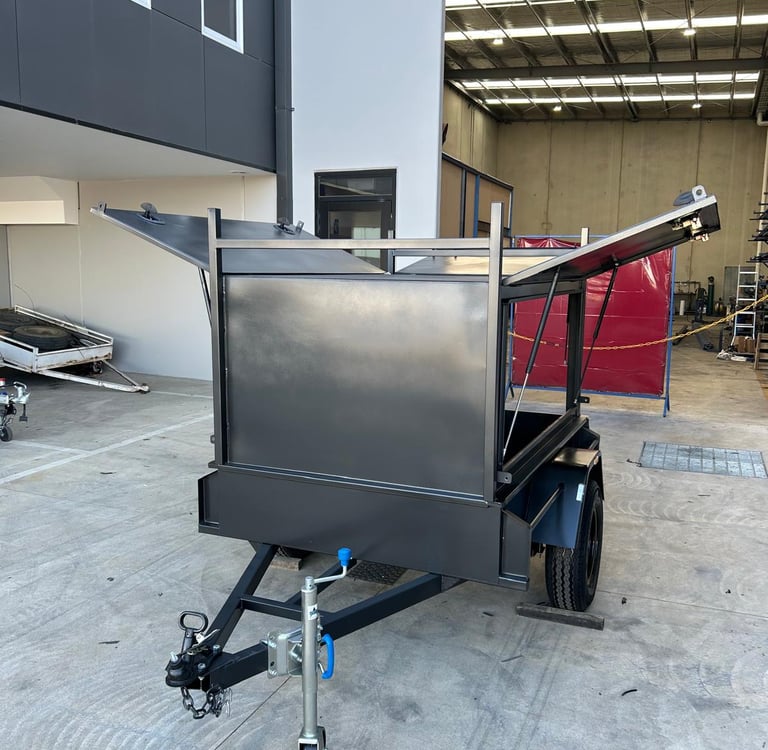
Choosing the right trailer can be confusing. The type of trailer you need depends on what you're hauling, its weight, and how you plan to load it. Here is a simple guide to the most common types of trailers we manufacture and their uses.
1. Box Trailers
The most common and versatile trailer. A box trailer is essentially a "box on wheels" with an open top and a rear tailgate.
Best for: General-purpose hauling, moving furniture, garden waste, camping trips, and light commercial use.
Features: Can be fitted with a removable cage to increase carrying capacity for bulky items.
2. Enclosed Trailers
An enclosed trailer is a box trailer with a permanent, solid roof and walls.
Best for: Protecting valuable cargo from weather and theft. Ideal for transporting tools, motorcycles, or for use as a mobile workshop (Tradesman Top).
Features: Lockable doors, waterproof, and can be customized with internal shelving and lighting.
3. Tandem Trailers
"Tandem" refers to the two axles (four wheels). This design is for heavier loads.
Best for: Transporting heavy materials, mini-excavators, or large volumes of gravel. A tandem trailer provides much greater stability at high speeds and can handle a higher Gross Vehicle Mass (GVM).
Features: Often includes heavy-duty suspension and electric or hydraulic brakes, as required by law for heavy loads.
4. Flat Top (or Flat Bench) Trailers
A trailer with a completely flat deck and no sides.
Best for: Hauling oversized or awkwardly shaped items, such as pallets, machinery, or timber. The load can be accessed and strapped down from all sides.
Features: Can be customized with a headboard, removable side rails, or under-deck ramps.
5. Tipper Trailers (Hydraulic or Manual)
A tipper trailer (or "dump trailer") has a hinge at the back and a mechanism to lift the front of the bed, allowing the load to slide off.
Best for: Effortlessly unloading loose materials like soil, gravel, sand, or construction waste.
Features: Available as a manual (winch) or hydraulic (powered) system for heavy-duty use.
6. Specialty Trailers
Machinery Trailers: Designed with heavy-duty ramps and a low deck to transport machinery like diggers or skid steers.
Car Trailers: Built specifically to transport vehicles, with ramps and a beaver tail (angled back) for easy loading.
Lawn Mowing Trailers: Custom-built for landscaping businesses, often featuring a side ramp, a mower box, and racks for tools.