How to Load a Trailer Safely
Learn how to load a trailer safely by mastering weight distribution. Follow our guide to prevent swaying, ensure stability, and tow safely.
Urban Trailers
11/18/20252 min read
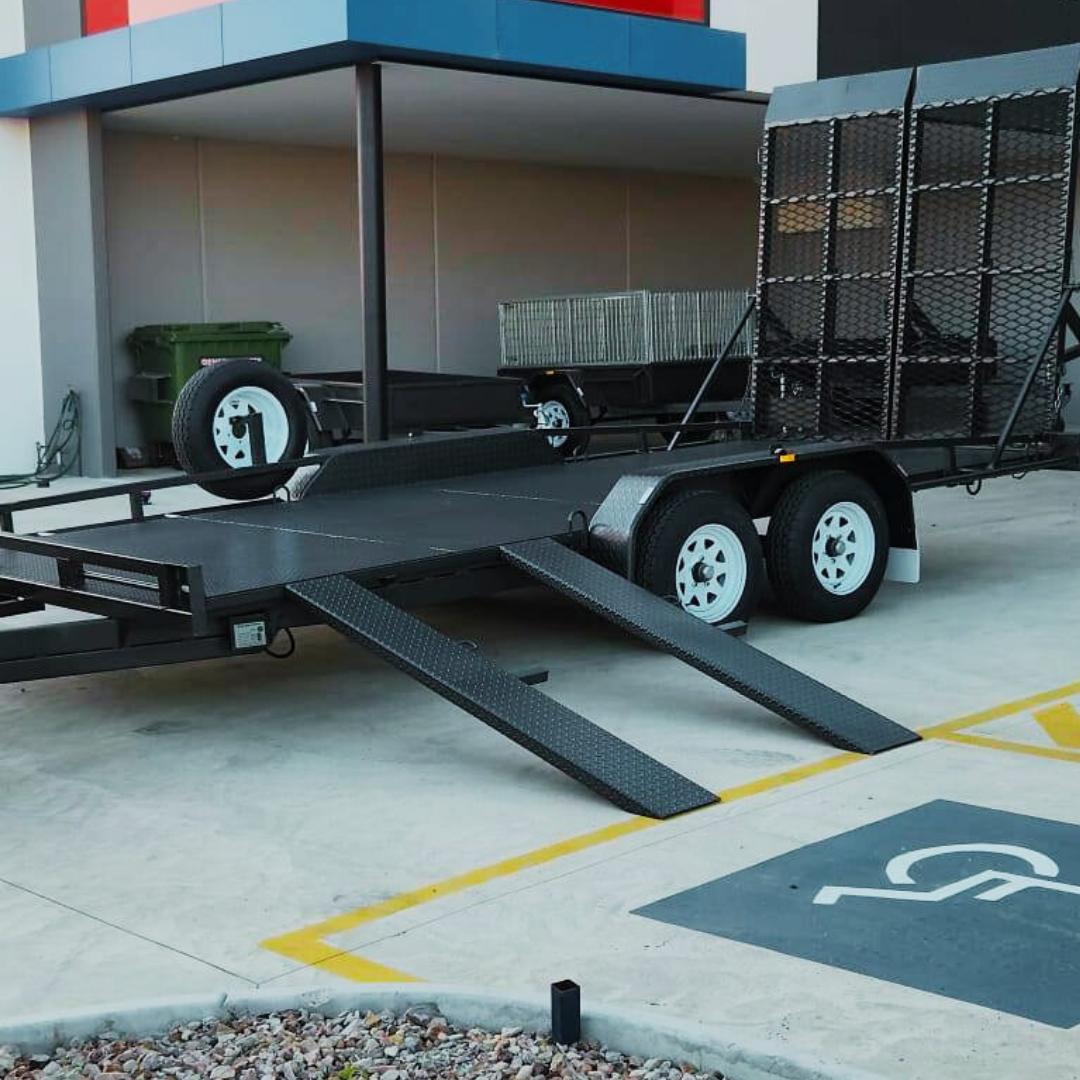
Loading a trailer might seem simple, but doing it incorrectly is one of the biggest causes of accidents. Improperly loaded trailers are unstable, difficult to control, and can lead to dangerous swaying (also known as "fishtailing").
The most important concept to understand is weight distribution.
The 60/40 Rule: The Golden Rule of Loading
The key to a stable trailer is to place your cargo correctly over the axles.
60% of your cargo's weight should be placed in the front half of the trailer (the half closest to your car).
40% of your cargo's weight should be placed in the back half of the trailer (over the axles).
This ensures you have the correct "tow ball weight."
What is Tow Ball Weight?
Tow ball weight (or "hitch weight") is the downward pressure your fully-loaded trailer puts on the tow ball of your vehicle.
For a safe and stable tow, your tow ball weight should be approximately 10% to 15% of the trailer's total loaded weight (GVM).
Too much weight at the back: This is the most dangerous mistake. It causes the back of your car to lift up, reducing traction on your rear wheels. This makes the trailer "sway" or "fishtail" uncontrollably, which can easily lead to a jack-knife accident.
Too much weight at the front: This puts too much pressure on your car's rear, causing the front of your car to lift. This reduces your steering control and braking effectiveness.
By following the 60/40 rule, you will naturally achieve the correct 10-15% tow ball weight.
A Simple Checklist for Safe Loading
Place Heaviest Items First: Load your heaviest items over the axles, slightly forward of the center.
Maintain 60/40 Distribution: Place 60% of the total weight in the front half of the trailer.
Keep it Centered: Keep the load centered from left to right, as well as front to back. An unbalanced load can cause handling problems.
Secure Everything: Use high-quality ratchet straps and tie-down points to ensure nothing can shift or move while you are driving. Secure cargo is just as important as balanced cargo.
Following these simple steps will ensure your trailer tows smoothly and safely, protecting you, your cargo, and other drivers on the road.